![Women Leadership Development [WLEDE]](https://wlede.org/wp-content/themes/kipya/images/logo-WLEDE.png
)
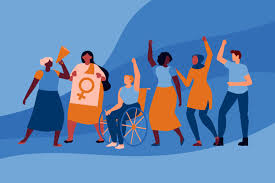
Over the years, the global community has made remarkable progress in addressing violence against women and girls. From international treaties to national laws, these strides reflect a growing understanding that ending gender-based violence (GBV) is both a human rights issue and a critical driver of development.
Global Achievements
Several international frameworks have been instrumental in shaping GBV prevention and response:
- CEDAW (1979) – The Convention on the Elimination of All Forms of Discrimination Against Women obliges states to eradicate discrimination and ensure gender equality.
- Beijing Platform for Action (1995) – Provides strategic guidelines for the advancement of women, emphasizing the elimination of all forms of violence.
- Sustainable Development Goal 5 (SDG 5) – Calls for the elimination of all forms of violence against women and girls by 2030.
- Regional frameworks like the Maputo Protocol reinforce Africa’s commitment to protecting women’s rights and ending harmful practices.
Progress in Uganda
Uganda has translated these global commitments into tangible action:
- Domestic Violence Act (2010) – Protects individuals from domestic abuse.
- Prohibition of Female Genital Mutilation Act (2010) – Criminalizes harmful traditional practices.
- National Policy on the Elimination of Gender-Based Violence – Offers a framework for prevention, protection, and survivor support.
- Integration of GBV education in schools and health programs – Strengthens community awareness and equips citizens with knowledge to prevent violence.
Why Movements Like 16 Days of Activism Are Essential
While laws and treaties create a foundation, real change requires ongoing public engagement and societal action. Campaigns like the 16 Days of Activism Against GBV play a crucial role in:
- Sustaining Momentum: Ensuring GBV remains a priority for governments, communities, and institutions.
- Raising Awareness: Educating youth, communities, and leaders about the realities and consequences of violence.
- Empowering Survivors: Amplifying their voices, honoring their resilience, and connecting them to support networks.
- Driving Advocacy: Encouraging accountability, resource allocation, and policy innovation.
- Building Solidarity: Linking local action to global efforts, showing that ending GBV is a shared responsibility.
At WLEDE, the 16 Days of Activism is more than a calendar event—it is a movement that bridges policy and practice, highlights achievements, identifies gaps, and inspires communities to act. Every dialogue, story, and digital post contributes to a Uganda—and a world—where women and girls can live free from violence, fear, and discrimination.
#WLEDEAgainstGBV | #DigitalOrangeWave | #InvestToPrevent